How Accurate Are Fitness Bands vs Other Health Trackers?
In today’s technology-driven world, wearable devices have become an integral part of our daily routines. Whether you’re a fitness enthusiast, a healthcare professional, or someone who simply wants to monitor personal health metrics, the question often arises: how accurate are fitness bands vs other health trackers? In this comprehensive analysis, we will explore the reliability of fitness bands, compare them to smartwatches and chest straps, and break down the factors that influence their performance. We’ll also discuss the latest studies, user experiences, and the role of LSI-keywords such as activity trackers accuracy, heart rate monitor precision, and wearable technology comparison.

What Are Fitness Bands?
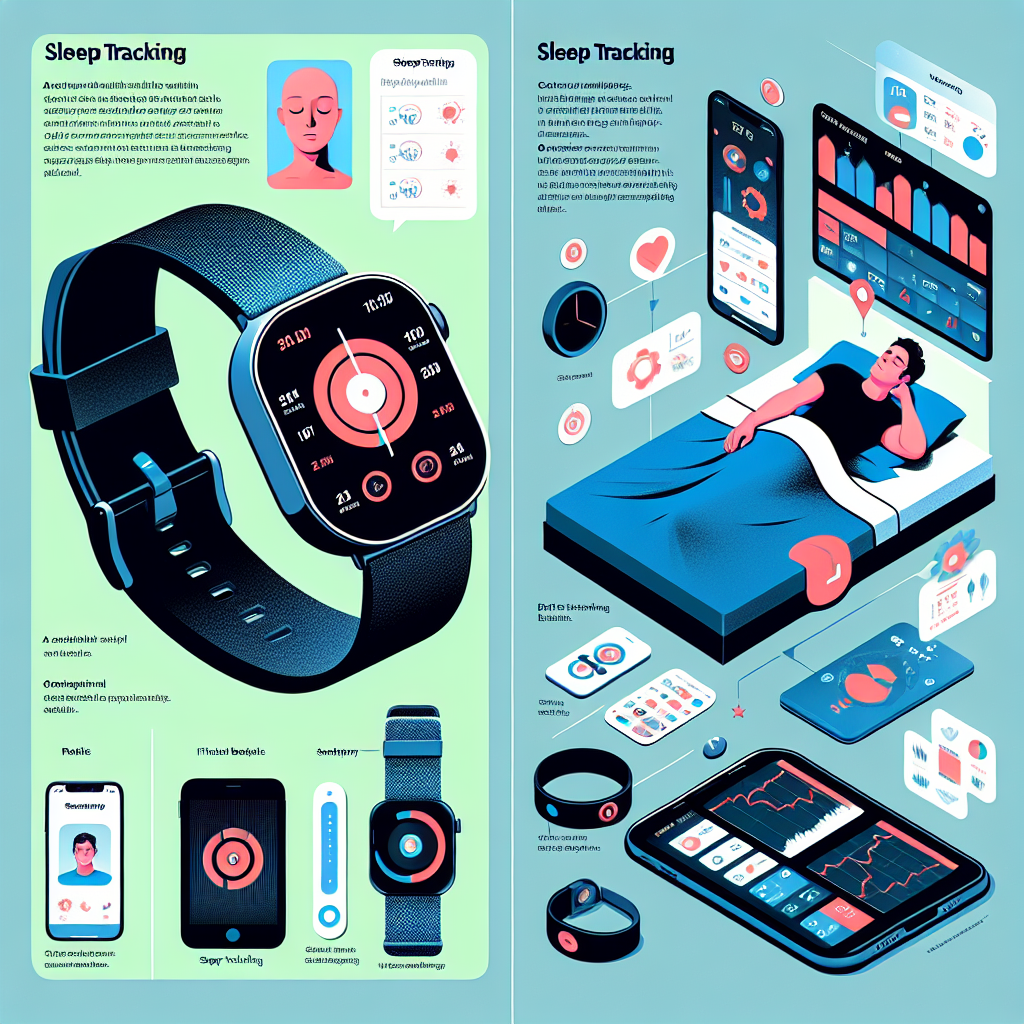
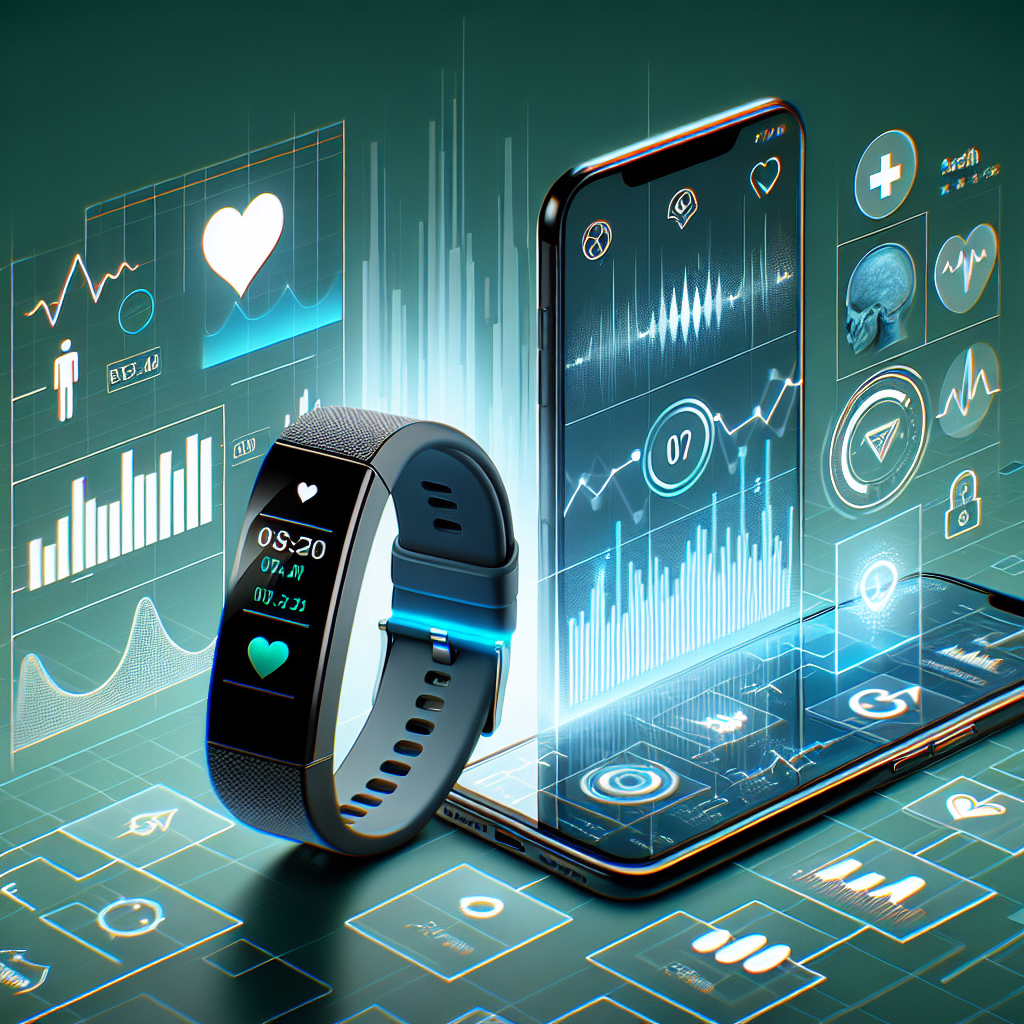
Fitness bands, also known as activity trackers or fitness trackers, are wearable devices designed to monitor and record physical activities such as steps taken, distance traveled, calories burned, and sleep patterns. Most modern fitness bands are equipped with sensors like accelerometers, gyroscopes, and optical heart rate monitors to provide real-time data. Popular brands include Fitbit, Xiaomi Mi Band, and Garmin Vivosmart.
- Main features: Step counter, heart rate monitoring, sleep tracking, calorie estimation.
- Design: Slim, lightweight, and usually worn on the wrist.
- Battery Life: Typically lasts from several days up to two weeks.
Types of Health Trackers
To understand how accurate are fitness bands vs other health trackers, it’s important to know the various types of wearable devices on the market:
- Fitness Bands: Focused on activity and basic heart rate tracking.
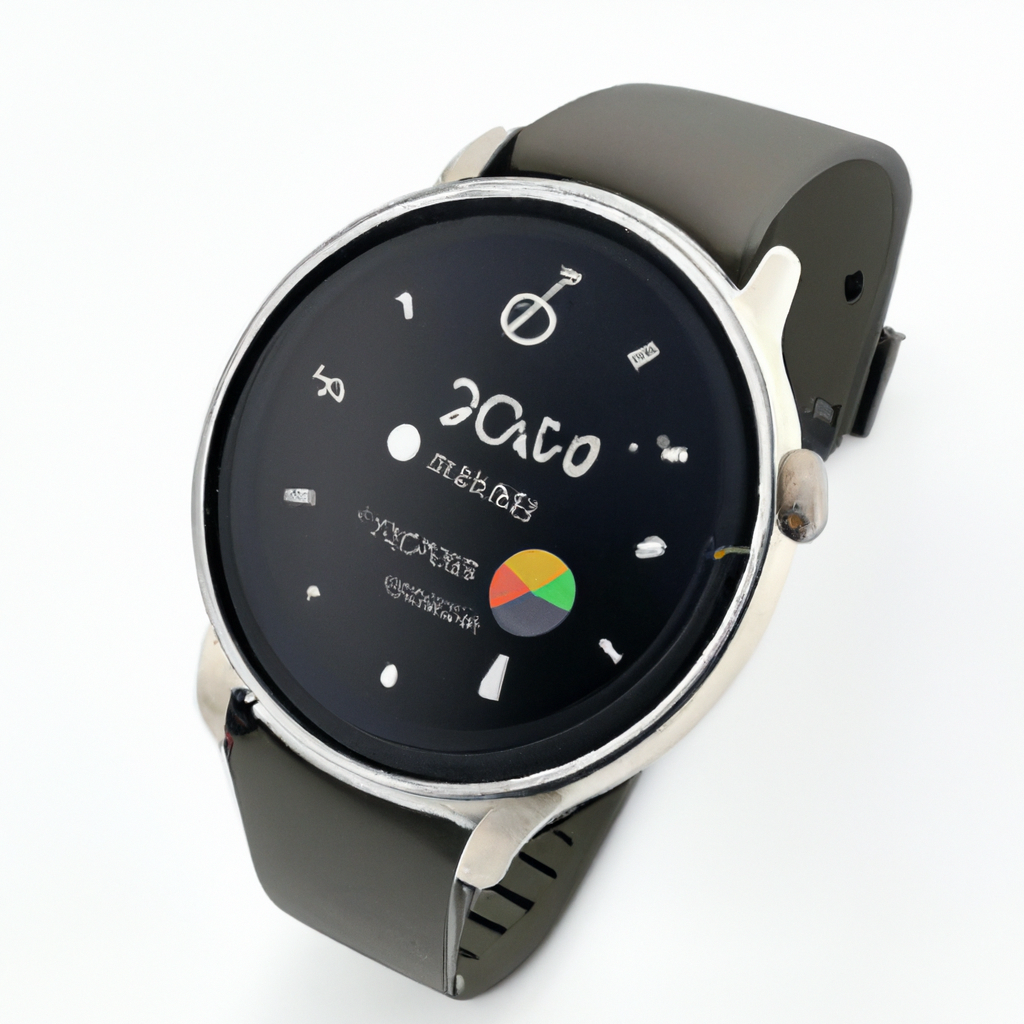
- Smartwatches: Offer comprehensive health monitoring (heart rate, ECG, SpO2), notifications, and apps.
- Chest Straps: Considered the gold standard for heart rate monitoring due to their direct skin contact and use of electrical sensors.
- Clip-on Trackers: Attach to clothing; monitor steps and movement.
- Medical Grade Devices: Used in clinical environments for highly accurate health data.

Accuracy Comparison: Fitness Bands vs. Smartwatches vs. Chest Straps
| Device Type | Heart Rate Accuracy | Step Counting | Sleep Tracking | Calorie Estimation |
|---|---|---|---|---|
| Fitness Bands | Good (±5-10%) | Very Good (±3-5%) | Moderate | Approximate |
| Smartwatches | Very Good (±3-7%) | Excellent | Good | More Accurate |
| Chest Straps | Excellent (<2%) | N/A | N/A | N/A |
The table above demonstrates that chest straps provide the most accurate heart rate monitoring, making them the preferred choice among athletes and researchers. Smartwatches tend to outperform fitness bands in overall tracking due to more advanced sensors and larger batteries. However, fitness bands still offer reliable step counting and basic heart rate tracking at an affordable price point.
Factors Affecting Accuracy
- Sensor Technology: Optical sensors in fitness bands can be affected by skin color, tattoos, and movement, whereas chest straps use ECG technology, which is more precise.
- Device Placement: Wearing the device too loosely or too tightly can impact readings.
- Firmware & Software: Algorithms used to interpret sensor data vary by device and manufacturer, impacting step count and calorie burn estimation.
- User Activity: High-intensity activities or exercises involving wrist movement (e.g., cycling, weightlifting) may lead to inaccurate readings on wrist-based devices.
- Environmental Factors: Sweating, water, and ambient temperature can affect sensor performance.
Scientific Studies & User Reviews
Multiple scientific studies have investigated the accuracy of fitness trackers and compared them with other devices. For example, a 2023 study found that modern fitness bands are within 5-10% accuracy for step counting and heart rate during moderate activity. However, their accuracy may decrease during high-intensity workouts or irregular movements.
“Fitness bands are reliable for daily step counts and resting heart rate monitoring, but may not match medical-grade devices during strenuous activities.” — Recent research on wearable technology accuracy
User reviews also highlight the convenience and affordability of fitness bands, with most users satisfied for general health monitoring. However, professional athletes and individuals requiring medical-grade accuracy often prefer chest straps or advanced smartwatches.

Tips to Improve Tracker Accuracy
- Wear your fitness band snugly above your wrist bone.
- Update device firmware regularly for improved algorithms.
- Manually calibrate step length and activity type in the app.
- Avoid using the device during activities with excessive wrist movement, if possible.
- Clean sensors regularly to ensure good skin contact.
Conclusion: Are Fitness Bands Accurate Enough?
So, how accurate are fitness bands vs other health trackers? The answer depends on your needs. For general health monitoring, step counting, and casual fitness activities, fitness bands offer a high level of convenience and sufficient accuracy. For those requiring precise heart rate monitoring, especially during intense exercise, chest straps and advanced smartwatches are more suitable. Ultimately, the accuracy of wearable devices is improving rapidly, and understanding their limitations helps users make informed choices.
FAQs
- Are fitness bands accurate for tracking calories burned?
- Calorie estimates are based on algorithms using heart rate, age, weight, and activity type. They provide a rough estimate but may not be precise.
- Which is more accurate: fitness band or smartwatch?
- Smartwatches generally use more advanced sensors and offer higher accuracy, particularly in heart rate and advanced health metrics.
- Can fitness bands detect irregular heartbeats?
- Some fitness bands can detect irregular heart rates, but for clinical diagnosis, dedicated medical devices are recommended.
- How can I make my fitness band more accurate?
- Wear it correctly, update firmware, and calibrate settings in the companion app.
Related LSI Keywords
- fitness tracker accuracy comparison
- activity tracker reliability
- heart rate monitor precision
- wearable fitness device accuracy
- step counting accuracy
- sleep tracking reliability
- health tracker vs fitness band
- smartwatch vs fitness band accuracy
- fitness band limitations