Introduction
Fitness trackers and smartwatches have surged in popularity, serving as valuable companions on our journey to health and productivity. But with so many options available, deciding between a dedicated fitness tracker and a feature-rich smartwatch can be challenging. In this in-depth comparison, we’ll explore the main differences, advantages, and real-life applications for both devices. Whether you’re focused on improving your workouts or seeking a wearable with broad lifestyle integrations, this article will give you the clarity you need.

Understanding Fitness Trackers
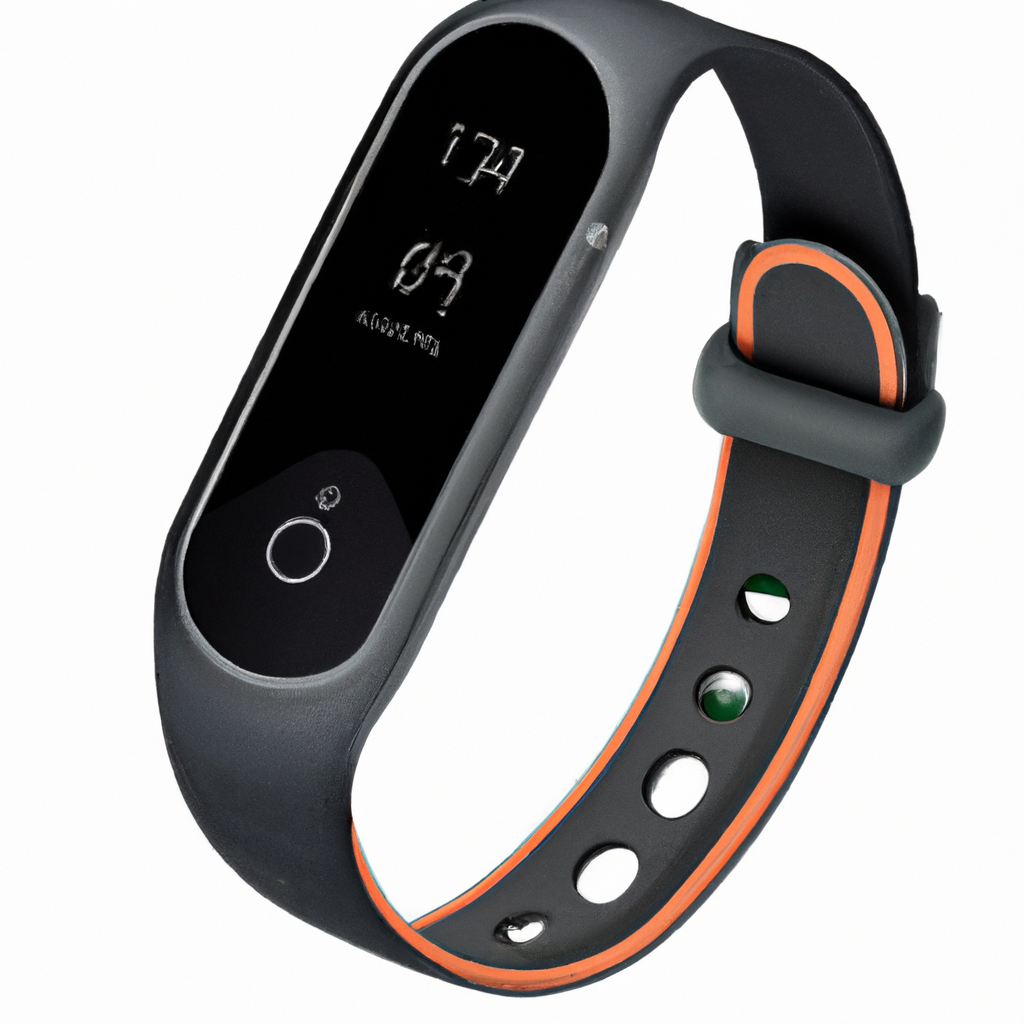
A fitness tracker is a device primarily engineered to monitor and record physical activity, health metrics, and personal wellness stats. These wearables excel in delivering comprehensive data about your workouts, sleep patterns, heart rate, and calorie burn. Many fitness trackers are lightweight, have a slim design, and boast extended battery life—making them ideal for everyday fitness enthusiasts.
- Core Purpose: Assist users in tracking steps, distance, calories, active minutes, and various exercises
- Best for: People focused on health and activity metrics, runners, swimmers, and those seeking long battery life
- Common Features: Step counter, heart rate monitor, sleep tracking, waterproofing, silent alarm
- Popular brands: Fitbit, Garmin, Xiaomi Mi Band

Advantages of Fitness Trackers
- Long battery life: Many can last from 5 days up to 2 weeks on a single charge.
- Simplicity and ease-of-use: Fitness trackers are designed with health in mind and often avoid unnecessary complexity.
- Comfortable for sleep tracking: Slim and lightweight form factors are comfortable enough for 24/7 wear.
- Affordable price: Generally less expensive than smartwatches, making them accessible to a wider audience.
What Is a Smartwatch?
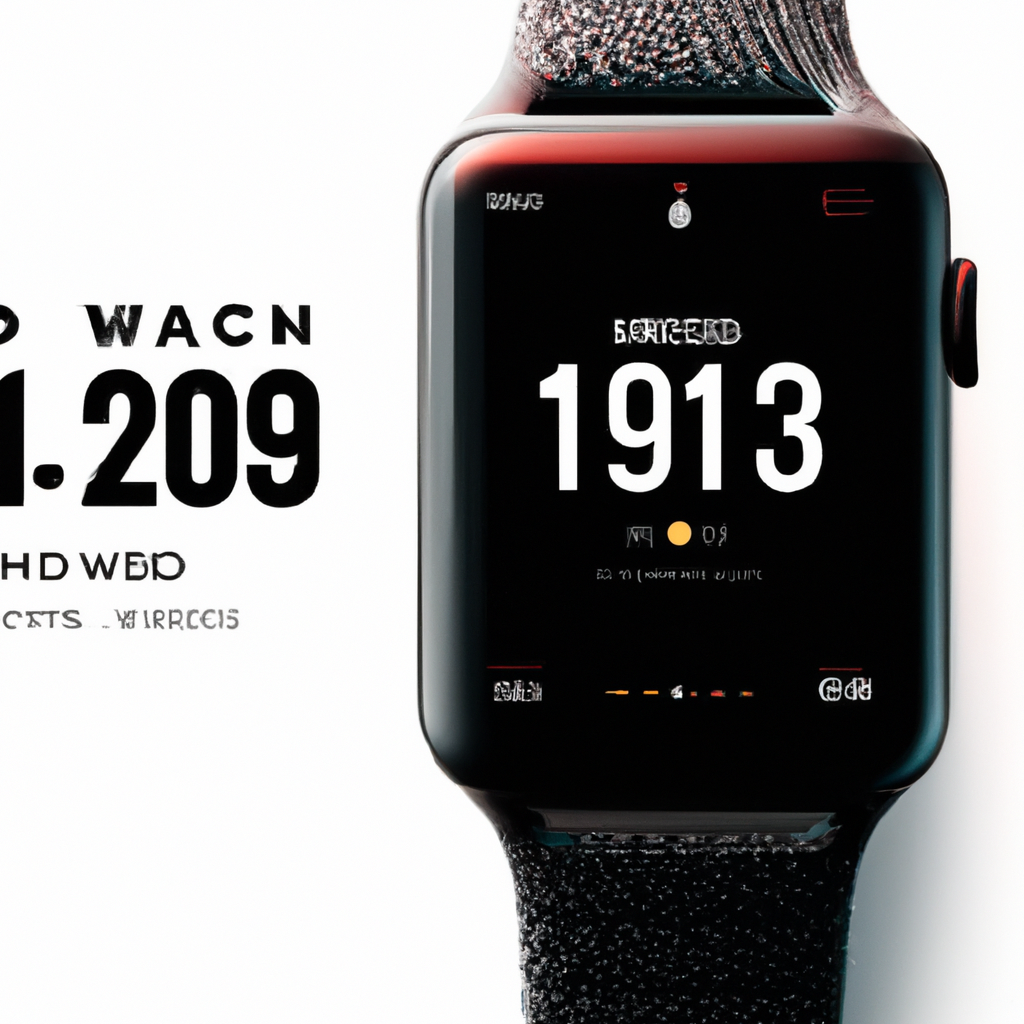
A smartwatch is a multifunctional wearable that integrates smartphone features and daily productivity tools into a compact wrist device. While modern smartwatches include advanced health monitoring functions, their true strength lies in offering a broader range of capabilities—such as app support, notifications, music playback, calendar management, and even contactless payments.
- Core Purpose: Extend smartphone features and provide a wide array of lifestyle, productivity, and health tools
- Best for: Tech enthusiasts, business professionals, users seeking seamless smartphone integration, people wanting customizable apps and watch faces
- Common Features: Notifications, music control, voice assistant, contactless payments, GPS, health tracking
- Popular brands: Apple Watch, Samsung Galaxy Watch, Garmin Vivoactive

Advantages of Smartwatches
- All-in-one functionality: Manage emails, texts, calls, and apps from your wrist.
- Customizability: Change watch faces, download apps, and tailor device features to suit your lifestyle.
- Comprehensive health tools: Advanced versions provide ECG, blood oxygen monitoring, women’s health insights, and stress tracking.
- Integration with ecosystem: Seamless syncing with smartphones, smart home devices, and productivity tools.
Main Differences: Feature-By-Feature Comparison
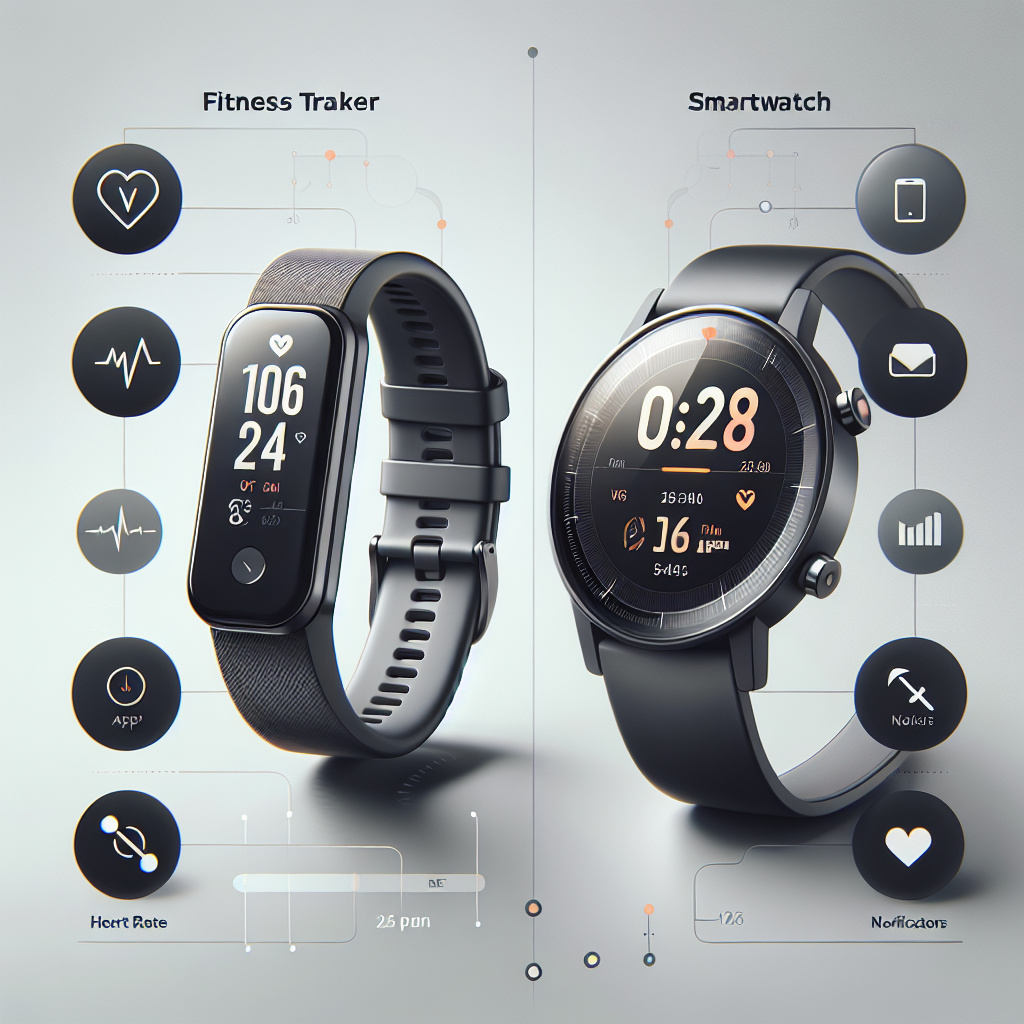
| Feature | Fitness Tracker | Smartwatch |
|---|---|---|
| Battery Life | 5-14 days | 1-3 days (some up to a week) |
| Health Tracking | Detailed activity, heart rate, sleep | Advanced metrics, ECG, more sensors |
| App Support | Limited, often proprietary | Extensive third-party apps |
| Notifications | Basic (calls, SMS, reminders) | Full notifications, calendar, social media |
| Music & Payments | Rare, only in premium models | Standard, with offline music, NFC pay |
| Price | Low to mid-range | Mid to high-end |
| Design | Slim, sport-focused | Stylish, customizable |
When to Choose a Fitness Tracker?
Opt for a fitness tracker if your top priorities are health data accuracy, lightweight design, and afforability. They’re the best choice for those who want to monitor activity levels consistently, track sleep quality, and avoid frequent recharging. Fitness trackers are also recommended if you’re a beginner or someone who prefers straightforward, distraction-free wearables.
- Ideal for: Joggers, cyclists, gym-goers, and anyone focused on personal wellness metrics.
- Best scenarios: Training for events, improving sleep, monitoring heart rate zones, basic nutrition tracking.
When a Smartwatch Makes Sense
Smartwatches, on the other hand, cater to users looking for all-in-one solutions. If you want your wearable to send and receive messages, access a digital wallet, control music, or interact with smart home devices, a smartwatch is the right pick. They are particularly suitable for professionals or busy individuals seeking productivity boosts and seamless tech integration.
- Ideal for: Office workers, tech enthusiasts, those who juggle multiple digital needs.
- Best scenarios: Managing business calendars, smart reminders, advanced health monitoring, staying connected on-the-go.
Modern Trends: Hybrid Devices
Recently, the line between fitness trackers and smartwatches has blurred, with many devices offering hybrid capabilities. Some fitness trackers include smartwatch features like notifications and music control, while smartwatches now rival the best fitness trackers in sport and health metrics.
- Tip: Always review specific device specs, as overlap is now common. Some ‘fitness-oriented’ smartwatches offer coaching, GPS+, and in-depth analytics.
LSI Keywords Related to Fitness Trackers and Smartwatches
To provide even deeper insight and enhance this comparison, it is valuable to highlight related terms (LSI keywords) commonly searched with “fitness tracker vs smartwatch”:
- activity monitor
- health band versus smartwatch
- wearable technology comparison
- heart rate monitor wristband
- best fitness bands
- smart band features
- sleep tracking device
- workout performance tracker
- personal wellness device
- step counter wristwatch
- digital health device
- fitness wearable analysis
- sport tracking watch
Conclusion: Which Should You Buy?
Your decision on the “fitness tracker vs smartwatch” debate should come down to your lifestyle, budget, and tech expectations. If your focus is on fitness, health, and battery life, a fitness tracker will meet your needs at a wallet-friendly price. If you want a multi-functional companion with extended integrations, the capability to run apps, or stay connected without your phone, a smartwatch is the better investment.
Remember: The best device is the one that supports your goals and fits comfortably into your daily routine. Whatever you choose, you’ll benefit from greater awareness of your health and the motivation to stay active!